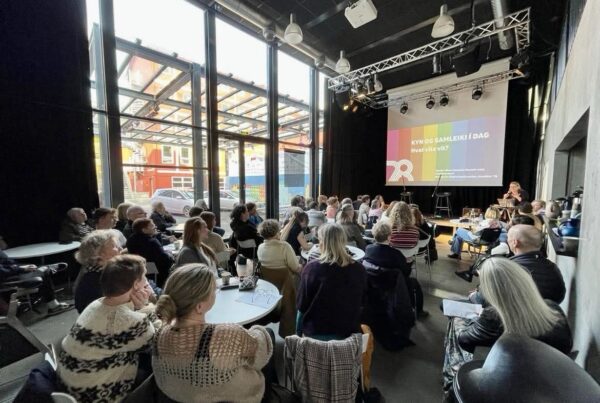
[English below] Þorbjörg Þorvaldsdóttir, samskipta- og kynningarstjóri, sótti fyrir hönd Samtakanna ‘78 málstofuna Seminar on Public Data Gathering on LGBTI+ People in Nordic Countries í Helsinki dagana 21.-22. október 2025, sem haldin var með stuðningi Norrænu ráðherranefndarinnar.
Á málstofunni komu saman fulltrúar hinsegin félagasamtaka á Norðurlöndum, fræðimenn frá norrænum háskólum og fulltrúar frá norrænum opinberum stofnunum sem sjá um gagnaöflun og miðlun. Frá Íslandi voru auk Þorbjargar þau Aró Berg Jónasar frá Trans Íslandi, Þórhildur Elínardóttir Magnúsdóttir frá Reykjavíkurborg og Þórhildur Halldórsdóttir frá Háskólanum í Reykjavík.
Opinber gögn geta gefið mjög mikilvægar upplýsingar um hagi hinsegin fólks og ekki síst varpað ljósi á tækifæri til úrbóta í málaflokknum og verið grundvöllur opinberrar stefnumótunar. Önnur Norðurlönd eru lengra komin í því að safna, vinna úr og miðla gögnum sem tengjast hinsegin fólki en Ísland, þótt loksins séu að verða breytingar þar á hér á landi með áherslum á rannsóknir í aðgerðaáætlunum stjórnvalda í hinsegin málefnum. Engu að síður er ljóst að enn vantar mikið upp á til þess að Íslandi standi jafnfætis hinum Norðurlöndunum.
Gegnumgangandi í máli þeirra sem kynntu niðurstöður sínar er að huga þarf sérstaklega að högum tvíkynhneigðs fólk og trans fólks (þ.m.t. kynsegin fólks), en þessir hópar koma jafnan verst út úr lýðheilsukönnunum. Þá vantar sárlega upplýsingar um intersex hópinn.
Fram kom á málstofunni að mikilvægt væri að opinber gagnaöflun og spurningalistar endurspegli veruleika hinsegin fólks, en einnig að farið sé með gögn um hinsegin fólk af mikilli ábyrgð. Þróun opinberrar umræðu um hinsegin málefni geti haft áhrif á það hvernig opinber gögn eru notuð og túlkuð. Rannsakendur, embættismenn og fulltrúar félagasamtaka á öllum Norðurlöndunum hafa af því áhyggjur að hinsegin réttindi séu að verða að pólitísku bitbeini á Norðurlöndum líkt og víðar í heiminum. Afleiðingar þess eru meðal annars þær að vegið er að trúverðugleika og starfsheiðri fólks sem stundar rannsóknir eða safnar gögnum sem varpa ljósi á stöðu hinsegin fólks.
Samtökin ‘78 fengu á málstofunni mikilvæga innsýn í málaflokkinn, þekkingu og tengsl sem nýtast munu félaginu í málsvarastarfi sínu. „Eitt af því sem mér þótti áhugaverðast á málstofunni var áhersla sumra rannsakenda á að skoða þá þætti í umhverfi hinsegin fólks sem eru verndandi. Til dæmis vitum við að geðheilsa hinsegin ungmenna er jafnan lakari en jafnaldra þeirra sem ekki eru hinsegin, en það á samt ekki við um öll hinsegin ungmenni. Þá getur maður velt því upp hvaða þættir eru til staðar í þeirra lífi sem virðast ýta undir betri heilsu, bæði andlega og líkamlega. Mér finnst það mjög uppbyggileg nálgun,“ segir Þorbjörg.
//
Þorbjörg Þorvaldsdóttir, on behalf of Samtökin ‘78, attended the Seminar on Public Data Gathering on LGBTI+ People in Nordic Countries in Helsinki on 21-22 October 2025, which was held with the support of the Nordic Council of Ministers.
The seminar brought together representatives of LGBTI+ organizations in the Nordic countries, scholars from Nordic universities and representatives from Nordic public institutions responsible for data collection. In addition to Þorbjörg, Aró Berg Jónasar from Trans Ísland, Þórhildur Elínardóttir Magnúsdóttir from Reykjavík City and Þórhildur Halldórsdóttir from Reykjavík University attended from Iceland.
Public data can provide very important information about the situation of LGBTI+ people and, not least, shed light on opportunities for improvement in the area and form the basis for public policymaking. Other Nordic countries are further along in collecting, processing and disseminating data related to queer people than Iceland, although an emphasis on research in government action plans on queer issues signal for change. Nevertheless, it is clear that much remains to be done for Iceland to stand on an equal footing with the other Nordic countries.
A common theme in the presented findings is that special attention needs to be paid to the situation of bisexual and trans people (including non-binary people), as these groups usually have the worst outcomes in public health surveys. More information is also needed about intersex people.
It was stated at the seminar that it is important that public data collection and questionnaires reflect the reality of queer people, but also that data on queer people is handled with great responsibility. The development of the public debate on queer issues can affect how public data is used and interpreted. Researchers, officials and representatives of NGOs throughout the Nordic countries are concerned that queer rights are becoming politicized in the Nordic countries, as elsewhere in the world. The consequences include attacks on the credibility and professional integrity of people who conduct research or collect data that sheds light on queer issues.
The seminar provided Samtökin ‘78 with important insights into the issue, knowledge and connections that will be useful to the organization in its advocacy work. „One of the things I found most interesting about the seminar was the focus of some researchers on examining the factors in the environment of queer people that are protective. For example, we know that the mental health of queer youth is generally poorer than that of their non-queer peers, but that still doesn’t apply to all queer youth. Then you can consider what factors are present in their lives that seem to promote better health, both mentally and physically. I find that a very constructive approach,“ says Þorbjörg.